 Social Story Builder
Help them meet what's next. As themselves.
One photo becomes a storybook character that looks like your child — then they star in a calm, read-aloud social story about the dentist, a new school, a haircut, or whatever is coming up.
First story free
No credit card
Photo never stored
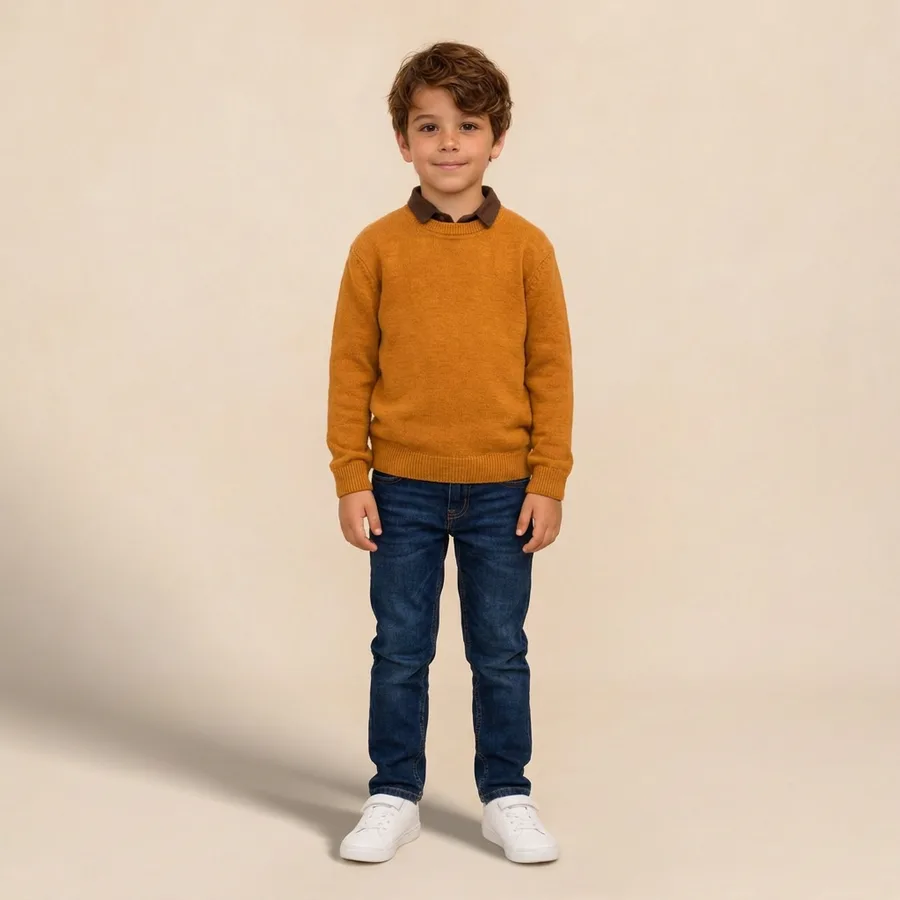
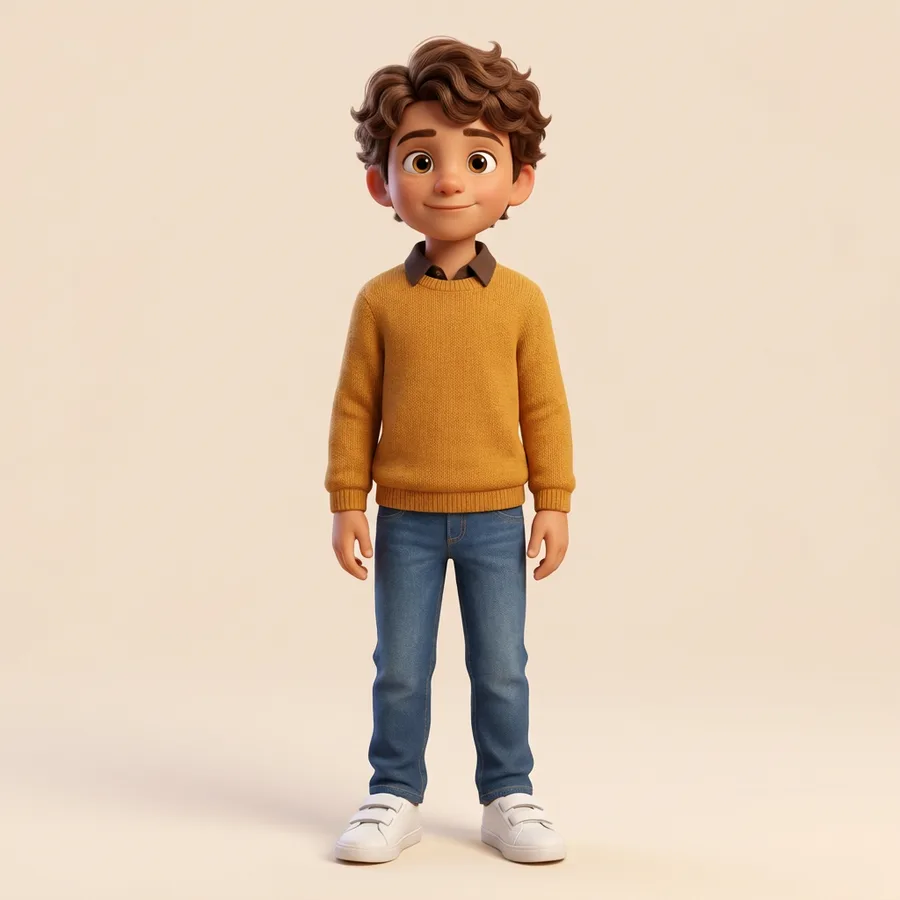
From “a child” to “that's me”

Their name, on every page
Try it: type your child's first name and watch the page. You can change any of the words later, too.
 Going to the Dentist · Page 1
My name is Timmy, and this is my story about going to the dentist. First, I sit in the waiting room.
A story for what's coming next
Start with the next appointment. Keep a favourite for the next school day.
Selected: Going to the Dentist · See all stories
Your photo isn't kept
It's used once to make the drawing. Only the drawing is saved, in your account, and you can delete it any time. Privacy policy
Written the proper way
Every story follows Carol Gray's Social Stories criteria: calm, first-person, and describing rather than instructing.
Room to pause
Read it together, as often as it helps. Share a link with school or print it for the fridge.
A familiar face for every new chapter
The first story with your child in it is free. After that, their saved character can go into any story you choose.
How social stories help autistic children
A social story describes a situation, skill, or event in clear, calm, first-person language — so it feels familiar before it happens. Created by Carol Gray in 1991, social stories are a gentle, widely used way to build understanding and confidence, at home and in the classroom.
Predictability eases anxiety
Many autistic children find new or changing situations stressful. Reading what will happen beforehand makes a new place or routine feel familiar and safe.
Makes the social world clearer
Social situations can be hard to read. A story gently describes what happens, why, and what your child can do — without pressure.
Prepares for what's coming
Read a story before a first dentist visit, a fire drill, or a birthday party, so the real thing feels like something they've already practised.
Questions families ask
What is a social story?
A short, supportive description of a situation, skill, or event, written from the child's point of view to make it easier to understand. The approach was created by Carol Gray in 1991 and is widely used by families, teachers, and therapists.
Who are social stories for?
They're most often used with autistic children, but they help any child who feels calmer knowing what to expect — including children with ADHD or anxiety, or anyone facing a new experience. You don't need a diagnosis to use them.
Are these proper social stories?
Yes. Every template is written by our team to Carol Gray's Social Stories 10.2 criteria — calm, first-person, and descriptive rather than bossy — so they describe and reassure instead of just instructing.
How should we use them?
Read together before the situation comes up, as many times as helps. Personalise it with your child's name, your own photos, and a familiar character so it feels like it's really about them.
Is this a substitute for professional support?
No. Social stories are a gentle tool to support understanding at home and school — they're not medical, psychological, or therapeutic advice. For specific concerns, talk with your child's GP, paediatrician, or support team.